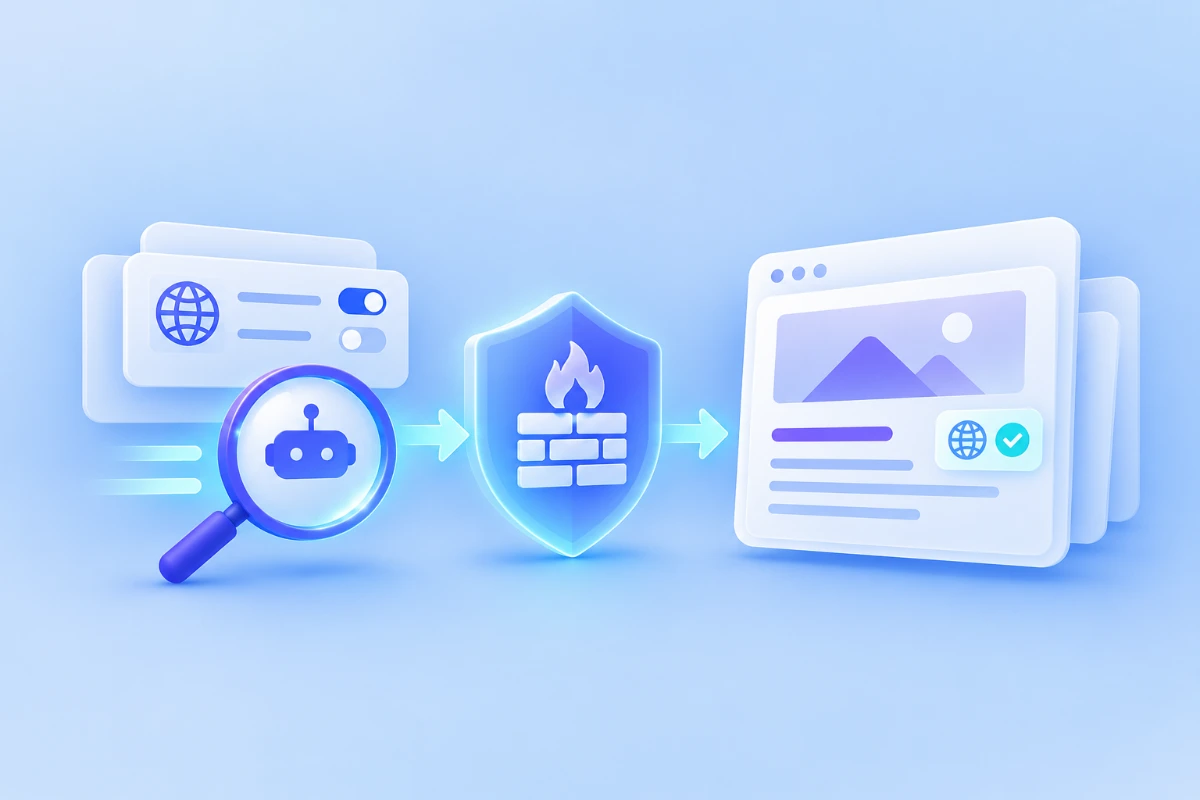
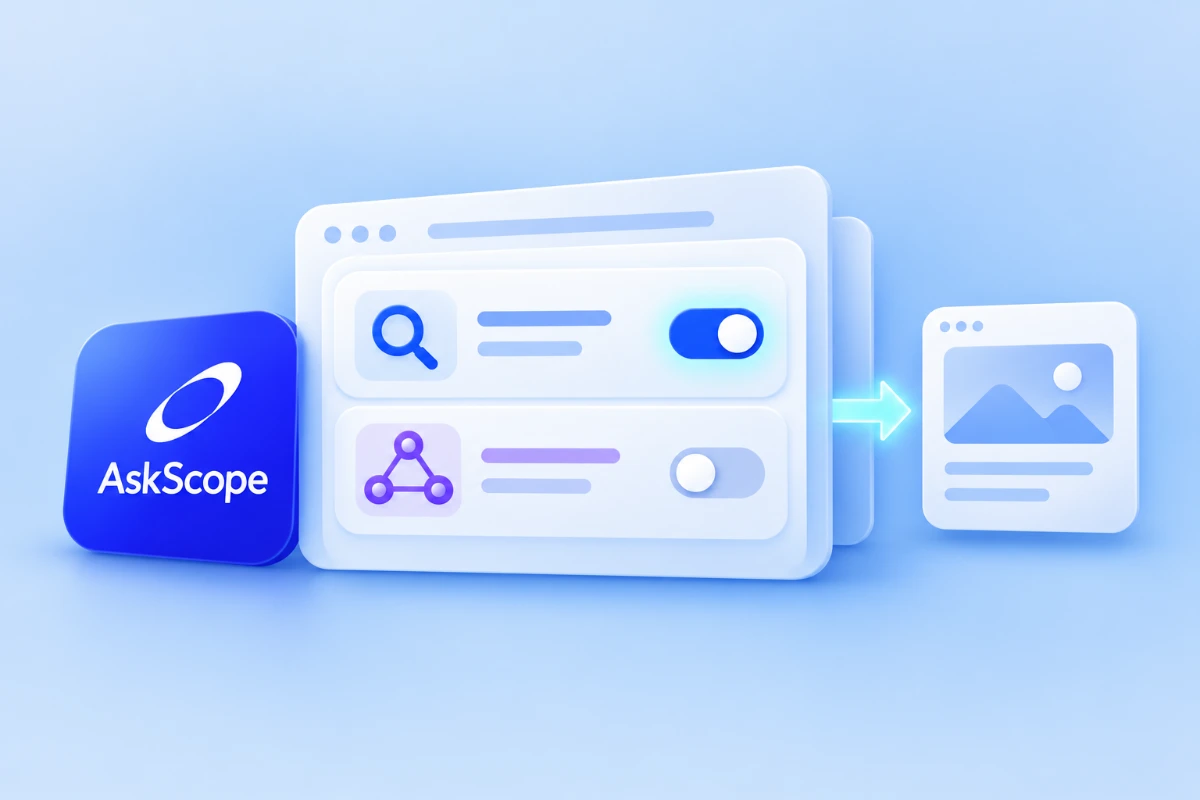
A publisher wants its public buying guides to be discoverable in ChatGPT search. Its content team does not want those guides collected for foundation-model training. These requests can coexist: OpenAI documents independent settings for its search and training crawlers. Agree on the intended outcome before editing access rules.
Check the intended paths
Start with one public guide and one restricted area. Ask the site owner to check the rules that actually apply to each path and crawler. OAI-SearchBot is associated with search, while GPTBot relates to training. Account data and private documents need access controls of their own, irrespective of crawler preferences.
Verify access before attributing a result
Keep a copy of the approved policy and the date it took effect. Check verified requests for the public URL and inspect what they received. A successful fetch shows that a page was served. To assess a citation, you still need the buyer's question, the actual answer and the linked page. Track those as a separate observation.
The handoff from marketing to engineering
“For this public guide, we want search discovery. Our policy restricts training access. Please verify the approved rules and successful delivery of this URL.” Keep account pages protected by authentication. Even a successful fetch is not a commitment to cite the guide; use a buyer question to investigate that separate outcome.