The uncomfortable part of a bad AI recommendation is that it can look like a good lead. Imagine a buyer who signs up for the basic plan specifically for single sign-on. By the time sales explains that the feature requires an enterprise contract, the buyer has already spent an afternoon evaluating the wrong offer.
Follow the sentence, not just the domain
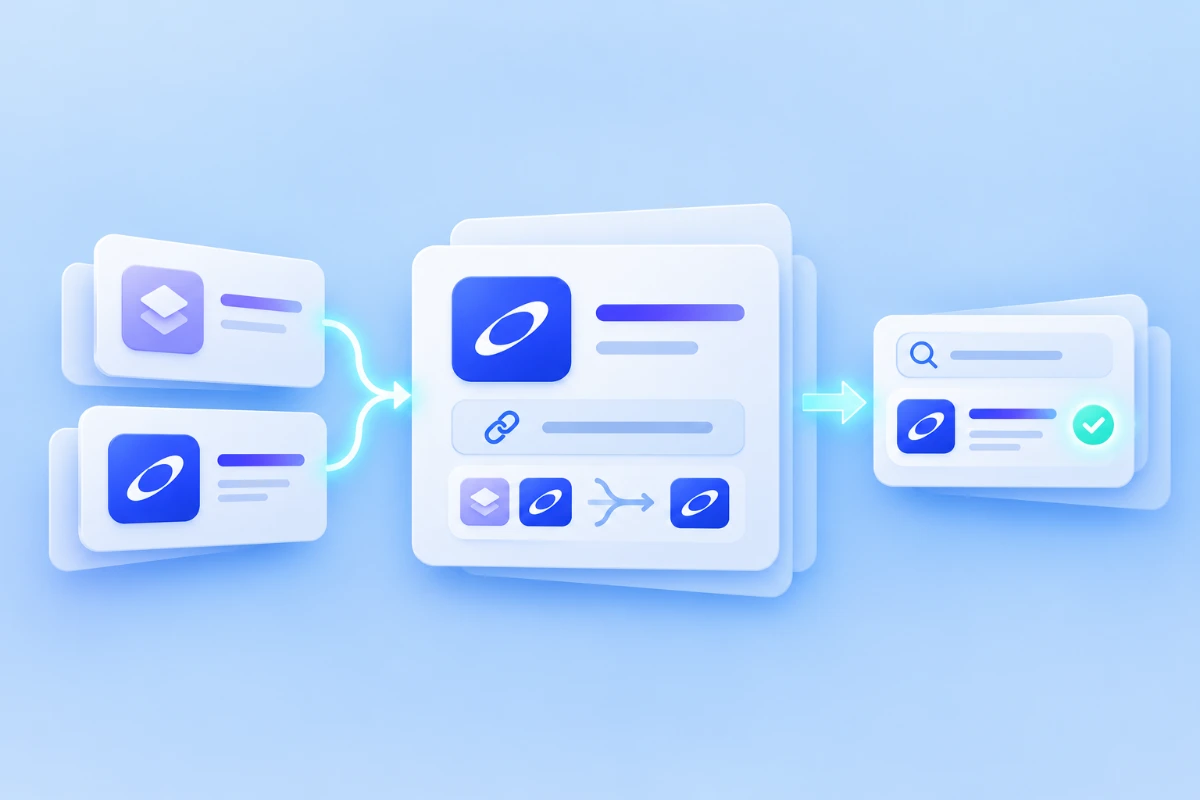
Save the question, answer and linked URL together. Compare the exact claim against the current plan table. A link to the right domain can still land on an old launch post describing a trial. If there is no supporting link, mark the origin unknown. Guessing which page caused the error makes it hard to tell whether an edit helped.
Give the correction a home
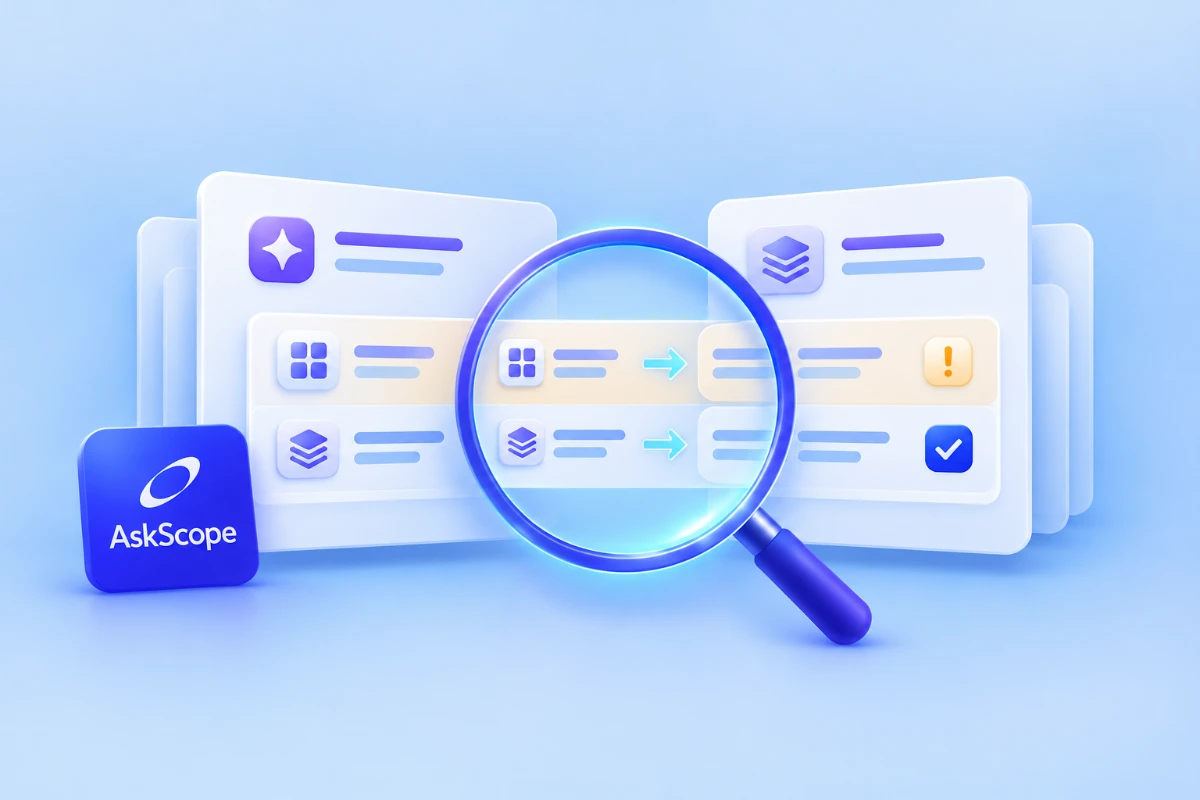
Put the plan name, entitlement and effective date in the same public passage. Add a dated pointer from the old announcement. Ask a colleague to answer the buyer's question using only those pages, then rerun the original prompt. Record separately whether the claim became accurate and whether the citation changed. Either can move without the other.
Which mistake should sales flag first?
Ask sales for the last claim they had to correct before a demo. Put the exact quote beside the deal condition it affected: budget, security approval or delivery date. Fix a false promise that disqualifies a buyer before polishing an incomplete but accurate description. On the next call, ask what the buyer expected before they opened your site. That answer is a better check on this particular fix than a jump in mentions.