Picture a prospect arriving at checkout with a screenshot of last year’s launch offer. Sales calls it an expired promotion; the buyer thinks the price went up halfway through the conversation. Before deleting the old page, check which part of that story the page actually tells a new visitor.
Separate a dated announcement from a live price list
Keep the original announcement date and offer. Put a visible status line next to the offer explaining when it ended and linking to the current pricing page. If existing customers retain different terms, say who should check their contract. A live pricing page, by contrast, should give the effective date, billing interval and eligibility for the current offer.
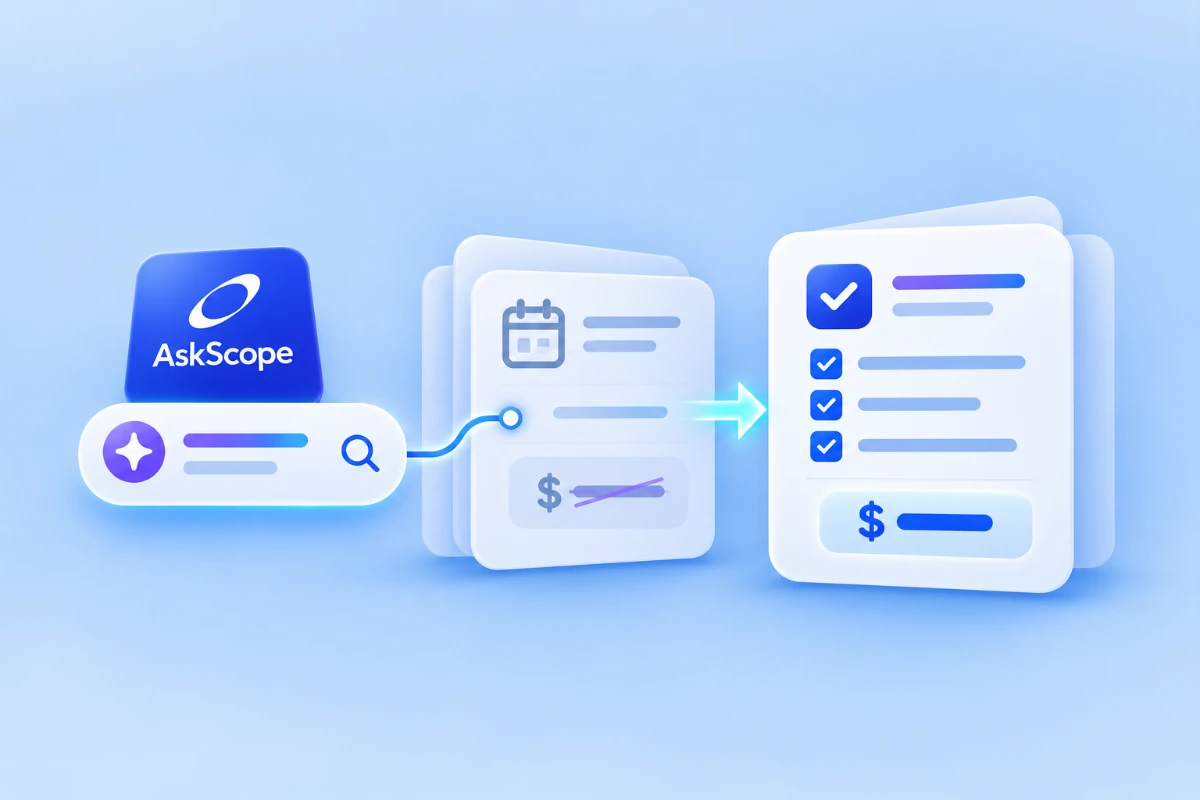
Retest two different questions
Test a historical question about the launch price and a present-tense buying question. Keep both answers and check which page each cites. If a third-party directory still advertises the old offer, send the dated correction and the current source. A useful end state lets the two answers differ while both remain verifiable.
Put the correction where a quote would start
A useful archive note reads: “This was the launch offer for orders placed during the promotion. It has ended. Current plans and renewal terms are listed separately.” Replace the vague period with the real dates and link each destination. Read the price paragraph on its own. If it still sounds purchasable today, the correction is too far away.